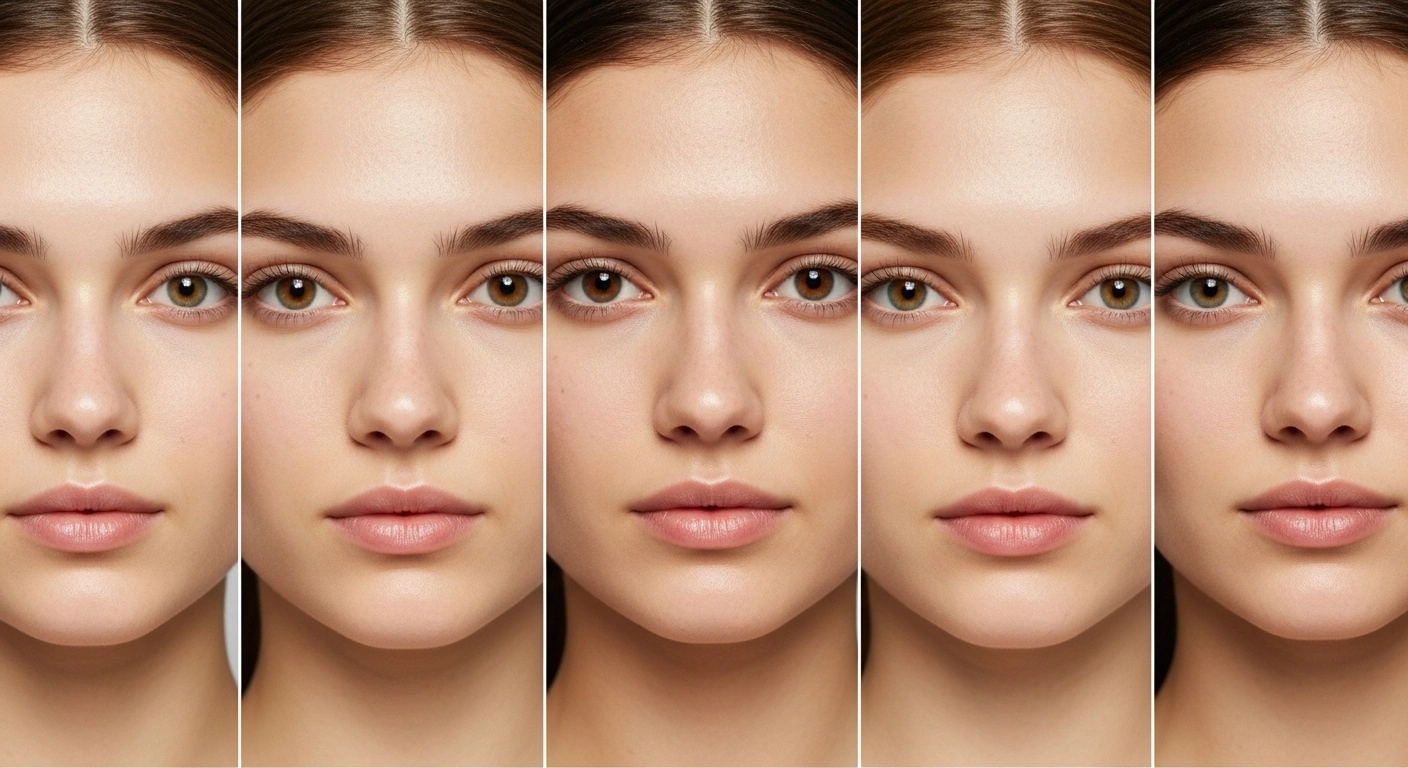
Synonyms for Aging help readers understand the many shades of meaning behind the natural process of growing older. In language, just as in life, aging is not described by a single expression. Writers, bloggers, and students often look for varied vocabulary to describe maturity, development, and the passage of time in a more vivid and engaging way. Words such as maturing, advancing in years, ripening, senescing, and growing older provide subtle differences that enrich communication.
Understanding synonyms for aging is particularly useful for SEO writers, researchers, and educators who want their content to sound natural and sophisticated. When different expressions are used thoughtfully, they prevent repetition and make writing smoother and more expressive. Whether you are writing about human life, biological processes, wine maturation, or societal trends, exploring synonyms for aging allows your language to evolve with elegance and precision.
“We are all aging, and we are always aging, from the moment of birth—to be alive is to experience the aging process.” — British Columbia Law Institute
You were filling out a form. The age bracket options stopped at “65+.” You paused. Sixty-five plus what? Plus infinity, irrelevance and the end of categories?
Here’s the truth that form didn’t acknowledge: Aging is not a destination. It’s the only journey we all share. And the words we choose for it—senior, elderly, geriatric, maturing, seasoned—are not neutral. They are value judgments disguised as description.
In 2025, as the World Health Organization projects 2.1 billion people over 60 by 2050 and “positive aging” movements reshape cultural narratives, mastering the vocabulary of aging isn’t just semantic—it’s strategic empowerment. Whether you’re writing healthcare policy, marketing to “older adults,” or simply describing your own journey through time, this guide transforms you from passive recipient of labels to conscious curator of language.
Part 1: The Scientific Spectrum – Clinical and Biological Terms
The Gerontology Vocabulary
| Term | Definition | Context | Connotation |
|---|---|---|---|
| Aging / Ageing | The organic process of growing older | Universal, biological | Neutral, descriptive |
| Senescence | Biological aging; deterioration with age | Scientific, cellular | Clinical, inevitable |
| Geriatric | Medical specialty for older adults | Healthcare, formal | Medicalized, specific |
| Gerontology | Study of aging processes | Academic, research | Comprehensive, multidisciplinary |
| Maturation | Process of becoming fully developed | Developmental psychology | Positive, growth-oriented |
| Longevity | Long life; extended lifespan | Research, lifestyle | Aspirational, desirable |
| Life span | Maximum years a species lives | Biological, demographic | Factual, statistical |
| Life expectancy | Average years expected to live | Public health, policy | Statistical, contextual |
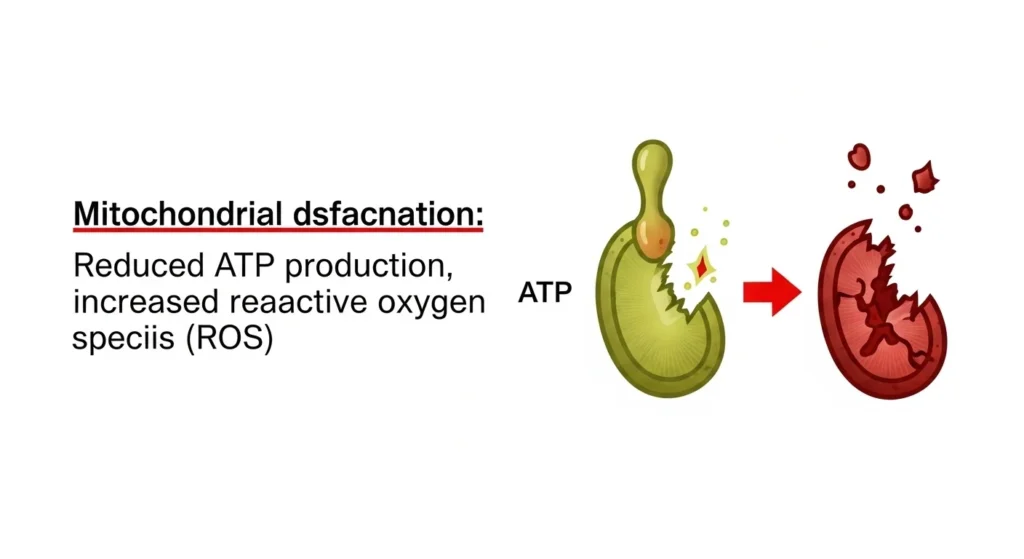
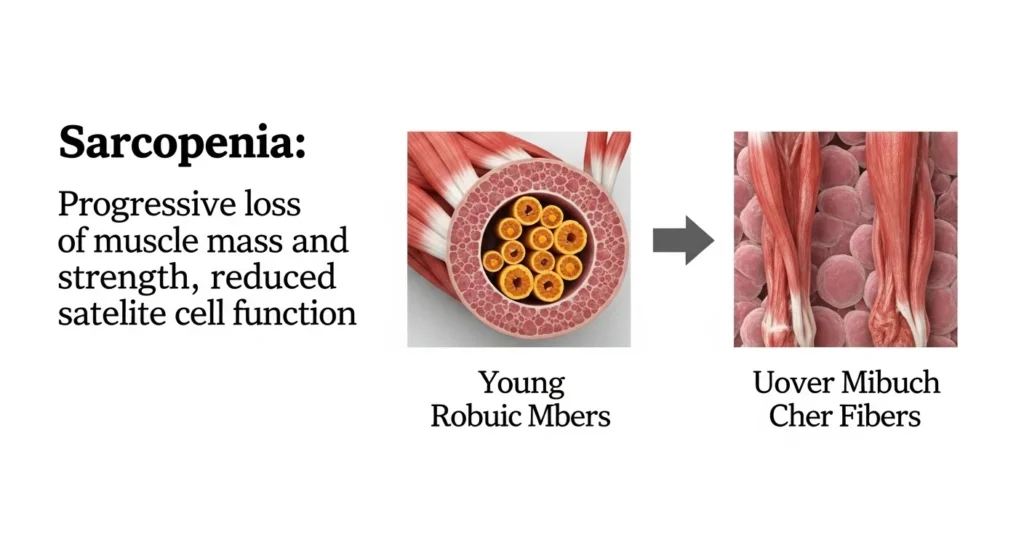
The Critical Distinction: Aging is universal—every living organism ages from birth. Senescence specifically refers to the deleterious changes that occur in later life. To say someone is “aging” is simply to say they are alive. To say they show “senescence” is to note biological decline.
“Aging is a natural and beneficial part of life.” — Ohio State University Extension
Part 2: The Positive Transformation – 25 Terms for Growth
The Impactful Aging Vocabulary
The top 10 positive & impactful synonyms for “aging” according to psychological and linguistic research:
| Synonym | Core Meaning | Emotional Resonance | Example |
|---|---|---|---|
| Maturing | Becoming more developed, refined | Growth, improvement | “She is maturing into a wise leader.” |
| Seasoning | Acquiring richness through experience | Enhancement, depth | “His years of travel contributed to his seasoning.” |
| Ripening | Reaching full potential, peak state | Fulfillment, readiness | “The ripening of her talents was evident.” |
| Blossoming | Developing positively and noticeably | Flourishing, beauty | “He is blossoming into a skilled musician.” |
| Refining | Improving through small changes | Polishing, enhancement | “She is refining her craft with each year.” |
| Evolving | Gradual development and adaptation | Progress, resilience | “Their business model is evolving.” |
| Cultivating | Improving through care and work | Nurturing, deliberate growth | “He is cultivating his knowledge.” |
| Enhancing | Intensifying quality or value | Improvement, enrichment | “Their partnership is enhancing with age.” |
| Wisdom-gaining | Acquiring wisdom through experience | Valuable learning, insight | “She is wisdom-gaining through diverse experiences.” |
| Experience-accruing | Accumulating knowledge through participation | Expertise, mastery | “He is experience-accruing in his field.” |
The Psychological Power: Research shows that positive aging terminology correlates with better health outcomes, higher life satisfaction, and increased resilience. The words we use for aging literally shape the experience of aging.
Part 3: The Neutral Ground – Descriptive Terms Without Judgment
The Factual Vocabulary
| Term | Age Range | Usage Context | Notes |
|---|---|---|---|
| Older adult | 60+ (flexible) | Healthcare, policy, media | Recommended by Journal of the American Geriatrics Society |
| Older person | 60+ (flexible) | Legal, academic, inclusive | Neutral, descriptive |
| Senior | 65+ (traditionally) | Common usage, some institutional | Can imply retirement, pension status |
| Elderly | 65+ (often 75+) | Medical, research, sometimes pejorative | Implies frailty; increasingly discouraged |
| Late adulthood | 65+ | Developmental psychology | Erikson’s stage theory |
| Third age | 60–80 | Sociological, European | Active, engaged retirement |
| Fourth age | 80+ | Sociological, European | Frailty, dependence possible |
The “Older Adult” Revolution:
“Terms like ‘older adult’ have become increasingly accepted… It’s a factual representation of this individual’s status and achievements. Yes, longevity is an achievement.” — Vitality Senior Living
Why “Elderly” Fades:
- Implies frailty, dependence, diminished capacity
- Overgeneralizes a diverse population (65 vs. 95 is vastly different)
- Medicalizes normal life stages
- Excludes those with age-related needs under 65
Part 4: The Problematic Legacy – Terms to Reconsider
The Ageist Vocabulary
| Term | Problem | Better Alternative |
|---|---|---|
| Elderly | Implies frailty, dependency, decline | Older adult, older person |
| Senior citizen | Bureaucratic, sometimes dismissive | Older adult, senior (if institutional) |
| Geriatric (as noun) | Reduces person to medical category | Older adult (person-first language) |
| Aged (as noun) | Archaic, potentially dismissive | Older adult, person who is aging |
| Over the hill | Pejorative, decline-focused | Midlife, mature, seasoned |
| Decrepit | Severely negative, dehumanizing | Frail, with mobility challenges |
| Senile | Outdated, stigmatizing | Living with dementia, cognitive changes |
| Geezer, codger, old-timer | Informal, potentially disrespectful | Older person, elder (if respectful context) |
The Person-First Imperative:
“Geriatric medicine can overlap with gerontology… while the two disciplines are separate, the findings from one can help to inform and develop the other.”
Always put the person before the condition: “older adult with diabetes,” not “diabetic elderly.”
Part 5: The Cultural Variations – Global Perspectives
How the World Names Aging
| Culture/Region | Term | Connotation | Lesson |
|---|---|---|---|
| Japan | Kōreisya (高齢者) | Respectful, venerated | Aging as social achievement |
| India | Vriddha (वृद्ध) | Wise, honored | Elders as family advisors |
| Korea | No-in (노인) | Neutral, institutional | Rapidly aging society adaptation |
| Mediterranean | Nonno/Nonna | Familial, beloved | Integrated multi-generational living |
| Nordic | Pensionär | Functional, economic | Welfare state categorization |
| Indigenous (various) | “Elder” | Spiritual leader, knowledge keeper | Age as wisdom authority |
“In some countries of Africa and in India, specific phrases and suffixes communicate a high level of respect for elders… Mahatma Gandhi was referred to as Gandhiji.”
The Western Challenge: English lacks built-in respect markers for age, making conscious vocabulary choices essential.
Part 6: The Developmental Framework – Erikson’s Stages
The Psychosocial Vocabulary
Psychologist Erik Erikson mapped aging as active growth, not decline:
| Stage | Age | Core Conflict | Positive Outcome | Vocabulary of Success |
|---|---|---|---|---|
| Generativity vs. Stagnation | 40–65 | Contributing to society vs. self-absorption | Care, productivity, mentorship | Generative, contributing, guiding |
| Integrity vs. Despair | 65+ | Life acceptance vs. regret | Wisdom, wholeness, peace | Integrated, wise, fulfilled, accepting |
“The successful completion of this stage leads to a virtue of wisdom, which helps one to reflect on their life and feel proud of what they have accomplished.” — Erikson
The Motivational Insight: Aging, in this framework, is not loss but transformation—from making to mentoring, from achieving to accepting.
Part 7: The Contemporary Revival – 2025 Trends
The New Aging Vocabulary
| Term | Movement/Context | Meaning |
|---|---|---|
| Positive aging | Public health, psychology | Optimistic, active approach to later life |
| Healthy aging | WHO, healthcare | Maintaining functional ability |
| Successful aging | Gerontology research | Avoiding disease, engagement, high function |
| Vibrant aging | Lifestyle, marketing | Energy, activity, continued growth |
| Ageless aging | Beauty, wellness | Challenging chronological limits |
| Sage-ing | Spiritual, conscious | Elder as wisdom-keeper, not retiree |
| Pro-aging | Beauty industry counter-movement | Embracing vs. fighting visible aging |
| Longevity literacy | Financial planning | Understanding extended lifespan realities |
“The top 10 positive & impactful synonyms for ‘aging’ are maturing, seasoning, ripening, blossoming, refining, evolving, cultivating, enhancing, wisdom-gaining, and experience-accruing.” — Impactful Ninja
Part 8: The Semantic Field – Related Concepts
To master aging vocabulary, understand the ecosystem of related terms:
| Category | Related Terms | Why It Matters |
|---|---|---|
| Biology | Senescence, telomeres, longevity, life span | Cellular mechanisms of aging |
| Psychology | Cognition, memory, wisdom, generativity | Mental and emotional aging |
| Sociology | Cohort, generation, life course, transition | Social context of aging |
| Healthcare | Geriatrics, comorbidity, frailty, ADLs | Medical management of aging |
| Policy | Medicare, Social Security, pension, entitlement | Structural support for aging |
| Economics | Retirement, wealth transfer, silver economy | Financial dimensions of aging |
| Spirituality | Legacy, mortality, transcendence, meaning | Existential aspects of aging |
Part 9: The Practical Application – Choosing Your Vocabulary
For Healthcare & Policy Writing
✅ Older adult, older person, person living with [condition], late adulthood
❌ Avoid: Elderly (unless quoting historical sources), geriatric as noun
Example: “Our program serves older adults with diabetes, emphasizing healthy aging through generative community engagement.”
For Marketing & Business
✅ Seasoned, experienced, mature, vibrant, positive aging
❌ Avoid: Over the hill, senior citizen (dated), elderly (medicalized)
Example: “Our products support seasoned professionals in their vibrant aging journey.”
For Personal & Reflective Writing
✅ Maturing, ripening, blossoming, wisdom-gaining, evolving
❌ Avoid: Declining, deteriorating (unless clinical accuracy requires)
Example: “At sixty, I am blossoming into my most authentic self, wisdom-gaining through seasoning.”
For Academic & Research Writing
✅ Senescence, longevity, life course, gerontology, older adult
❌ Avoid: Old people (imprecise), the aged (objectifying)
Example: “This study examines senescence markers in older adults pursuing successful aging trajectories.”
Read more about differnt synonyms here….
Conclusion: The Words We Choose Become the World We Inherit
Aging is the only universal human experience—yet we have treated it as problem to solve rather than process to honor. The vocabulary we choose—senescence or seasoning, elderly or older adult, decline or evolution—shapes not just perception but policy, possibility, and personhood.
“For age is opportunity no less / Than youth itself, though in another dress, / And as the evening twilight fades away / The sky is filled with stars, invisible by day.” — Henry Wadsworth Longfellow
To master this vocabulary is to reclaim aging from stigma, to recognize it as achievement, and to prepare for a world where longevity is the norm, not the exception.
Final Quote: “The synonyms we choose for aging are the futures we prepare for. Choose words that honor the journey, celebrate the wisdom, and embrace the becoming.”
FAQ: Mastering Aging Vocabulary
Q: What’s the most respectful term for someone over 65?
A: “Older adult” is currently recommended by major medical and gerontological organizations—neutral, descriptive, non-stigmatizing. “Elder” can be respectful in cultural/spiritual contexts.
Q: Is “senior” still acceptable?
A: Yes, but context matters. “Senior” is common in institutional settings (senior centers, senior discounts) but can imply retirement or pension status. “Older adult” is more inclusive of those still working or engaged.
Q: What’s the difference between “aging” and “senescence”?
A: Aging = the universal process of growing older (from birth). Senescence = the biological deterioration associated with late-life aging. All living things age; not all show senescence equally.
Q: Can “geriatric” be used as a noun?
A: Avoid it. “Geriatric” as noun (“the geriatrics in ward 4”) reduces people to medical categories. Use “older adults receiving geriatric care” or “patients in geriatric medicine.”
Q: Which positive aging term is best for SEO content?
A: “Healthy aging” captures high search volume; “positive aging” captures wellness trends; “maturing” captures personal development audiences. Use “older adult” for broad demographic targeting.
Conclusion
Language ages gracefully when it grows richer with variety. Exploring synonyms for aging opens the door to more precise, creative, and engaging communication. From scientific contexts to everyday storytelling, alternative expressions such as maturation, progressing in years, or ripening allow writers to convey the passage of time in nuanced ways.
By incorporating diverse vocabulary, writers can maintain reader interest while also improving the clarity and depth of their content. Ultimately, mastering synonyms for aging not only strengthens linguistic skills but also helps create content that feels refined, dynamic, and naturally flowing. Learn more ….
The author is a Ph.D scholar and writes on multiple topics of interests related to science, technology, society, history etc. The purpose behind all this stuff is to raise public awareness in different domains.