The word “throwback” no longer sits quietly in old photo albums. Today, Gen Z launches it across TikTok captions, Instagram stories, memes, playlists, fashion trends, and even everyday conversations. One moment, someone posts a blurry 2016 selfie with the caption “major throwback energy,” and suddenly the internet turns into a glowing arcade of memories. 🎞️
For Gen Z, “throwback” means much more than remembering the past. Instead, it creates emotion, identity, humor, and connection. It helps people revisit childhood moments, revive forgotten trends, and escape the pressure of hyper-modern online life. Moreover, Gen Z uses the word in ways that older generations never imagined.
In this article, you will discover exactly how Gen Z uses the word “throwback,” why nostalgia dominates social media culture, and how this tiny word became one of the most powerful expressions online.
What Does “Throwback” Mean?
Traditionally, “throwback” described something old-fashioned or connected to the past. However, Gen Z transformed the word into a cultural signal.
Today, “throwback” usually refers to:
- Old photos
- Childhood memories
- Vintage trends
- Retro music
- Past internet culture
- Nostalgic fashion
- Earlier social media eras
- Emotional memories from simpler times
For example, someone may upload a photo from 2014 and caption it:
“This outfit is such a throwback.”
Likewise, another person may hear an old song and say:
“This track gives total throwback vibes.”
As a result, the word now acts like a digital time portal. One simple caption can instantly pull millions of users into a shared memory.
Why Gen Z Loves the Word “Throwback”
Gen Z grew up online. Unlike previous generations, they experienced childhood through YouTube intros, Vine edits, Snapchat filters, gaming soundtracks, and viral memes. Consequently, internet memories became deeply emotional for them.
At the same time, modern digital life feels exhausting. Algorithms move quickly, trends disappear overnight, and online pressure never sleeps. Therefore, many young people use “throwback” content as emotional comfort.
Research and media analysis show that nostalgia strongly resonates with Gen Z because it offers familiarity, creativity, and relief from modern digital overload. (Forbes)
Additionally, Gen Z often feels nostalgic even for eras they never experienced personally. Many admire the 1990s, early 2000s, and pre-smartphone culture because those periods appear calmer and more authentic online. (Pion)
Thus, “throwback” becomes more than memory. It becomes emotional shelter.
How Gen Z Uses “Throwback” on Social Media
1. Throwback Thursday (#TBT)
One of the most famous uses remains “Throwback Thursday,” also called #TBT.
Every Thursday, users post:
- Old selfies
- Childhood pictures
- Vintage vacations
- School memories
- Early social media screenshots
Although Millennials popularized #TBT first, Gen Z reinvented it with irony, humor, filters, and exaggerated nostalgia.
For instance:
- blurry digital camera photos
- low-quality camcorder edits
- old Facebook statuses
- cringe middle-school fashion
Instead of hiding embarrassing memories, Gen Z celebrates them.
“Throwback” as a Mood
Interestingly, Gen Z often uses “throwback” emotionally rather than literally.
Sometimes nothing old appears at all. Instead, users describe a feeling.
Examples include:
- “This café feels like a throwback.”
- “That song has throwback vibes.”
- “Your outfit screams throwback energy.”
In these situations, “throwback” describes atmosphere, aesthetics, and emotion.
As a result, the word became flexible. It can describe:
- visuals
- music
- emotions
- fashion
- editing styles
- personality traits
The word behaves almost like digital perfume. It adds nostalgic scent to content.
Gen Z and Internet Nostalgia
Gen Z nostalgia differs from traditional nostalgia. Older generations usually miss historical periods they actually lived through. In contrast, Gen Z often romanticizes internet moments from only a few years ago.
For example, many young users already feel nostalgic about:
- Vine
- Musical.ly
- early TikTok
- 2016 Instagram filters
- old Minecraft videos
- Tumblr aesthetics
- Wii games
- early YouTube culture
In fact, recent nostalgia waves around 2016 exploded across TikTok and Instagram, with millions sharing “throwback” posts connected to that era. (vyraa.com)
Consequently, Gen Z nostalgia moves incredibly fast. Something from three years ago may already feel ancient online.
One Reddit discussion even described this phenomenon as “micro-nostalgia,” where users become nostalgic for memes and trends from the recent past. (Reddit)
Throwback Fashion and Aesthetics
Gen Z also uses “throwback” heavily in fashion culture.
Today’s trends constantly recycle:
- Y2K clothing
- baggy jeans
- flip phones
- vintage sneakers
- camcorders
- cassette aesthetics
- wired headphones
- old gaming devices
Therefore, many fashion creators label their content:
- “throwback fit”
- “retro throwback aesthetic”
- “2000s throwback look”
Interestingly, many Gen Z users admire eras they never experienced directly. According to cultural analysis, younger audiences feel drawn toward analog aesthetics because they appear more authentic and less algorithm-driven. (Business Insider)
Thus, “throwback” fashion becomes a rebellion against overly polished digital culture.
How TikTok Changed the Meaning of “Throwback”
TikTok completely accelerated nostalgia culture.
Unlike traditional social media, TikTok rapidly recycles sounds, trends, filters, and edits. Therefore, the platform naturally rewards throwback content.
Popular TikTok throwback trends include:
- childhood photo slideshows
- “before social media ruined everything” edits
- old cartoon clips
- 2010s music mashups
- nostalgic gaming videos
- fake VHS filters
Moreover, TikTok compresses time. A trend from six months ago already feels historical.
That speed explains why Gen Z uses “throwback” constantly. The internet moves so quickly that even recent memories feel distant.
Throwback Music and Audio Trends
Music plays a massive role in Gen Z nostalgia culture.
Songs from:
- the 1990s
- early 2000s
- 2010s pop era
- Disney Channel years
- Vine edits
often return through TikTok and Instagram.
Consequently, Gen Z uses “throwback” to describe songs that instantly trigger memory.
Examples:
- “This playlist is a throwback.”
- “Major throwback anthem.”
- “This song unlocked memories.”
Research also shows that nostalgic music strongly drives online engagement among younger audiences. (Net Influencer)
Music acts like emotional lightning. One old chorus can reopen entire years.
The Psychology Behind Gen Z Throwback Culture
Why does Gen Z love nostalgia so intensely?
Several reasons explain this trend.
1. Digital Burnout
Modern internet life feels overwhelming. Therefore, nostalgia offers emotional rest.
Adobe research notes that younger users increasingly crave simpler, less performative internet experiences. (Adobe)
2. Identity Building
Gen Z uses throwbacks to shape personal identity. Childhood memories become social currency online.
3. Community Connection
Shared nostalgia creates instant bonding.
For example:
- old cartoon references
- forgotten memes
- gaming sounds
- school trends
immediately unite strangers online.
4. Escaping Uncertainty
Economic pressure, AI anxiety, and nonstop information overload make the past appear comforting. (Business Insider)
Therefore, “throwback” culture becomes emotionally protective.
How Brands Use “Throwback” to Reach Gen Z
Brands quickly noticed Gen Z’s obsession with nostalgia.
As a result, companies now create:
- retro packaging
- vintage-style ads
- old-school graphics
- camcorder visuals
- Y2K campaigns
However, Gen Z easily detects fake nostalgia.
Experts warn that forced retro marketing often feels “cringe” when brands misunderstand Gen Z culture. (Reddit)
Successful campaigns usually remix nostalgia creatively instead of copying the past directly. (Forbes)
In other words, Gen Z prefers nostalgia with personality, humor, and self-awareness.
Throwback Captions Popular With Gen Z
Gen Z often uses short throwback captions such as:
- “Certified throwback.”
- “Peak childhood.”
- “Throwback to simpler times.”
- “Internet archaeology.”
- “Core memory unlocked.”
- “This belongs in a museum.”
- “The vibes were unmatched.”
- “Take me back.”
These captions usually combine humor with emotion. That balance makes Gen Z nostalgia feel playful instead of overly sentimental.
Is Throwback Culture Healthy?
In moderation, nostalgia can improve emotional well-being. It strengthens memory, identity, and social connection.
However, excessive nostalgia may also prevent people from appreciating the present. Therefore, balance matters.
Healthy throwback culture:
- celebrates memories
- inspires creativity
- builds connection
Unhealthy nostalgia:
- romanticizes the past excessively
- encourages avoidance of reality
- creates unrealistic comparisons
Fortunately, Gen Z usually treats nostalgia playfully rather than permanently escaping into it.
The Future of “Throwback” Culture
Throwback culture will likely grow even stronger.
Already, Gen Z has become nostalgic for:
- 2016 aesthetics
- early TikTok
- old YouTube intros
- wired earbuds
- Nintendo DS consoles
- Tumblr culture
Meanwhile, newer generations may eventually feel nostalgic about today’s TikTok trends.
The internet constantly creates memories at hyperspeed. Therefore, “throwback” will continue evolving alongside digital culture.
In many ways, Gen Z transformed nostalgia into a living language.
Final Thoughts
Gen Z uses the word “throwback” as far more than a reference to old memories. Instead, the term represents emotion, identity, humor, aesthetics, and connection in the digital age.
Whether someone posts a childhood photo, revives a 2016 playlist, wears Y2K fashion, or jokes about old memes, “throwback” helps transform memory into community.
At the same time, the word reveals something deeper about modern internet culture. Young people increasingly crave authenticity, comfort, and emotional connection in a world flooded with algorithms and endless scrolling.
Therefore, every “throwback” post carries more than nostalgia.
It carries a small digital heartbeat from another moment in time. 🌆📼✨
Frequently Asked Questions About Gen Z and Throwback Culture
What does “throwback” mean in Gen Z slang?
In Gen Z slang, “throwback” refers to something nostalgic, retro, or connected to the past. It often describes old photos, songs, trends, memes, or emotions.
Why does Gen Z love throwback content?
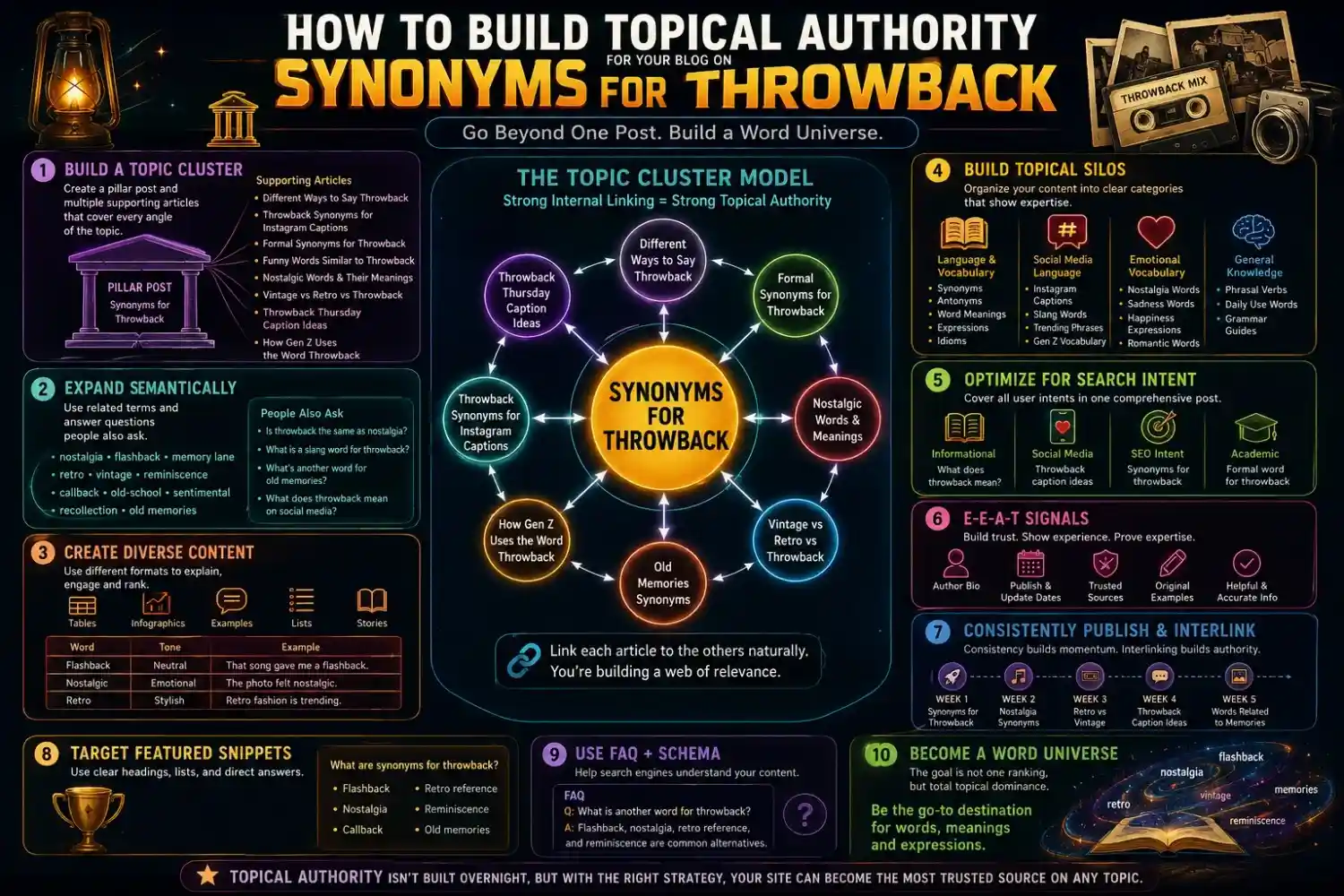
Gen Z enjoys throwback content because it creates emotional comfort, shared memories, and escape from stressful digital culture. For more information on synonyms for Throwback, click here.
What is #TBT?
#TBT means “Throwback Thursday.” Users post old memories or nostalgic content every Thursday on social media.
Does Gen Z feel nostalgic for times they never experienced?
Yes. Many Gen Z users romanticize the 1990s and early 2000s because those eras appear more authentic, social, and less digitally overwhelming. (Pion)
Why is throwback culture popular on TikTok?
TikTok spreads trends extremely quickly. Consequently, even recent moments begin to feel nostalgic within months, making throwback culture highly popular on the platform. Click for a video.

The author is a Ph.D scholar and writes on multiple topics of interests related to science, technology, society, history etc. The purpose behind all this stuff is to raise public awareness in different domains.